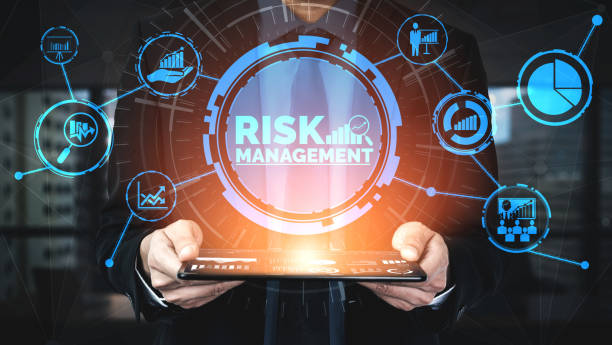
Financial Risk Management
(53 Reviews)
189 Students
Course Overview
The Financial Risk Management course is designed to equip learners with the knowledge and tools needed to identify, analyse, and mitigate financial risks in a global business environment. Covering market risk, credit risk, operational risk, and liquidity risk, this course emphasises real-world application through case studies and practical exercises. Whether you’re in banking, insurance, investment, or corporate finance, this course will help you make informed, risk-aware decisions.
Key Features
- Instructor-led and self-paced learning options
- Industry-recognized certification upon completion
- Real-world case studies and scenario-based exercises
- Coverage of global financial regulations (Basel III, IFRS, etc.)
- Access to downloadable templates and risk models
- Quizzes and assignments for practical understanding
- 100% online with mobile and desktop access
Learning Outcomes
By the end of this course, learners will be able to:
- Understand various types of financial risks and their implications
- Apply risk assessment techniques such as VaR, stress testing, and scenario analysis
- Use tools like risk matrices and risk control self-assessments (RCSAs)
- Evaluate risk-adjusted performance and capital adequacy
- Understand regulatory frameworks and compliance requirements
- Develop risk mitigation strategies for real business environments
Who Should Take This Course
- Finance and accounting professionals
- Risk analysts and compliance officers
- MBA or finance students
- Investment professionals and portfolio managers
- Internal auditors and consultants
- Anyone preparing for FRM® (Financial Risk Manager) certification
Assessment
- Multiple-choice quizzes at the end of each module
- Two practical case assignments (graded)
- Final exam (online, proctored or timed)
- Minimum 70% score required for certification
Requirements
- Basic knowledge of finance or accounting
- A computer or mobile device with internet access
- No prior experience in risk management is required
- Optional: Excel or risk analysis tools is a plus
FAQs
Q: Is this course suitable for beginners?
A: Yes. The course starts with basic concepts and gradually progresses to advanced topics.
Q: Will I get a certificate?
A: Yes, upon successful completion, you will receive a downloadable certificate.
Q: Is this course helpful for FRM® certification prep?
A: Yes, it covers foundational topics relevant to FRM Part I and II exams.
Q: Are there any live sessions or support?
A: Some versions of the course include optional live Q&A sessions and instructor feedback.
Q: Can I access the content after finishing the course?
A: Yes, you’ll have lifetime access to the course materials.
Bonus Add-ons (Optional)
- Downloadable risk policy templates
- Access to a private learner community/forum
- Monthly updates on regulatory changes and financial news
- Certificate verification for LinkedIn or employer sharing
Course Curriculum
Module 1: Introduction to Risk Management
Fundamentals of Risk and Uncertainty
Objectives and Importance of Risk Management
Risk Management Process Overview
Module 2: Types of Financial Risks
Market Risk and Its Drivers
Credit Risk and Credit Exposure
Liquidity and Operational Risk
Module 3: Risk Measurement Techniques
Value at Risk (VaR) and Conditional VaR (CVaR)
Scenario Analysis and Stress Testing
Sensitivity and Exposure Analysis
Module 4: Financial Instruments for Risk Mitigation
Derivatives: Options, Futures, and Swaps
Hedging Strategies and Applications
Insurance and Credit Derivatives
Module 5: Risk Management Frameworks
Basel I, II, III Overview
COSO Enterprise Risk Management
Risk Appetite and Risk Culture
Module 6: Capital Adequacy & Risk-Adjusted Returns
Risk-Weighted Assets and Capital Requirements
Economic vs. Regulatory Capital
Risk-Adjusted Return on Capitall
Module 7: Corporate Risk Governance & Ethics
Roles of Board and Risk Committees
Ethical Considerations in Risk Decisions
Regulatory Compliance and Reporting
Module 8: Emerging Risks & Investment Perspectives
Cybersecurity and Technology Risks
FinTech Disruptions and Risk Implications
Risk in Portfolio and Investment Management